 ABA Fieldwork Tracker

If your study guide mentions the Task List, it is out of date#
A lot of RBT preparation material still describes the credential as it worked before 2026. It refers to the RBT Task List, second edition, as the basis for training and the exam. That framing is obsolete, and building a study plan on it means preparing against the wrong document.
The current requirements took effect on 1 January 2026, having been announced in December 2023. This article covers what the path to certification actually looks like now, in the order you encounter it.
Before anything else: eligibility#
Three prerequisites sit ahead of the training itself, and the third catches people out on timing.
You must be at least 18 years old, and you must hold a high school diploma or its equivalent. Neither is unusual.
The third is a criminal background check and an abuse registry check, both completed no more than 180 days before you pay your application fee. The window is the part to plan around. Run the checks too early and they expire before you apply; leave them too late and they hold up an application that is otherwise ready. Six months sounds generous until it is competing with a training schedule and an assessment.
The 40-hour training, and its own timing rules#
Every applicant completes a 40-hour training that meets the RBT 2026 40-Hour Training Requirements and Curriculum Outline. That document, not the old Task List, defines the content.
The training has boundaries on both ends. It must be completed in no fewer than 5 days and no more than 180 days. The floor exists to stop the 40 hours being compressed into a single weekend, and the ceiling exists to stop it stretching indefinitely. Both are real constraints, not guidance.
There is also an independence requirement that people discover awkwardly. Your training provider may not be related to you, subordinate to you, or employed by you. In a small practice where the obvious trainer is a colleague you supervise or a family member in the field, this rules out the convenient option.
The Initial Competency Assessment#
After the training comes an Initial Competency Assessment, conducted with a Responsible Assessor. It is a demonstration that you can perform the work, not a written test.
Two constraints govern it. It must be completed after the 40-hour training, so it cannot run in parallel to save time. And it must be completed no more than 90 days before your application, which is a tighter window than the background checks.
The same independence rule applies: the assessing certificant may not be related to, subordinate to, or employed by you. This is the requirement most likely to complicate matters at a small employer, because the person best placed to assess you may be exactly the person the rule excludes.
Sequenced properly the whole thing is manageable. Training, then assessment within 90 days of applying, with background checks inside their 180-day window. Sequenced badly, one component expires while you wait on another.
The exam is built on a different document#
The examination is based on the RBT Test Content Outline, third edition. This is the single most important correction for anyone studying.
If your materials organize themselves around the Task List, they are structured around a superseded document. Some underlying content overlaps, because the work has not fundamentally changed, but the organizing framework has and it is what the exam is drawn from.
When evaluating any study resource, the practical test is simple: check what it says it is aligned to. Material that names the Test Content Outline third edition is current. Material that names the Task List has not been updated since 2026, which raises a fair question about what else in it is stale.
What begins the day you are certified#
Everything above is a one-time sequence. What follows is continuous, and it is where most people are unprepared, because certification preparation rarely covers what happens afterward.
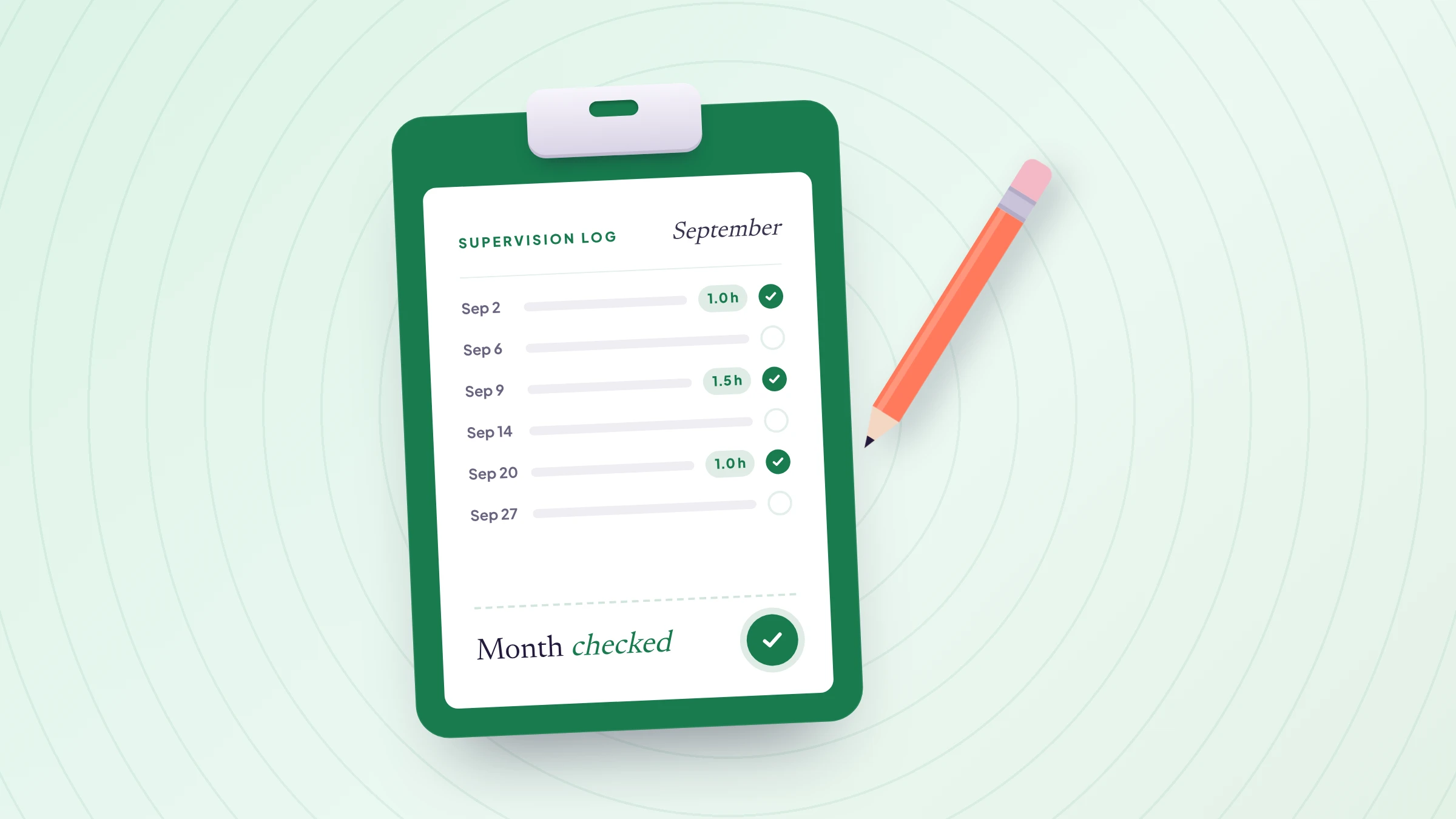
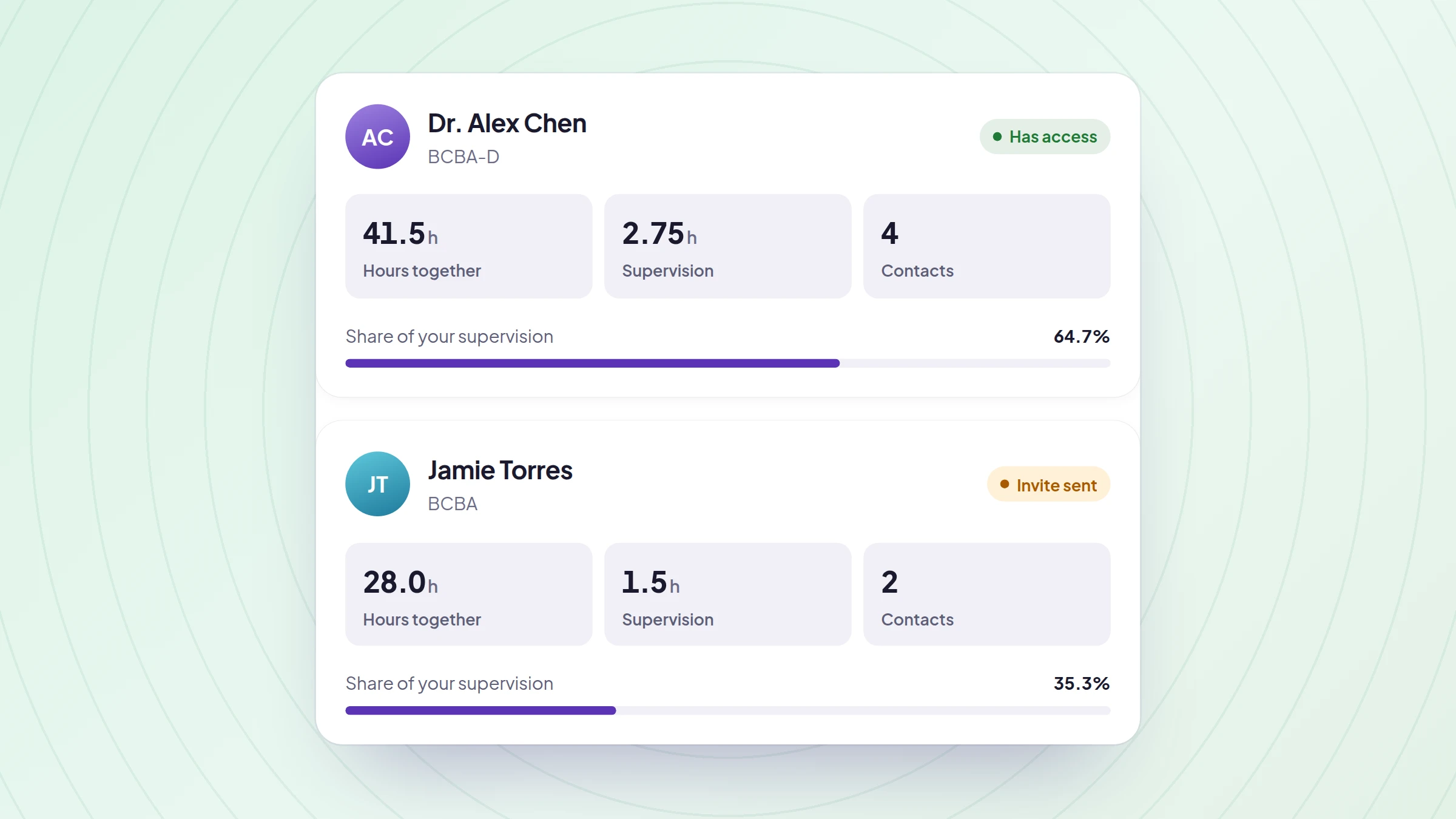
From your first month of practice you have an ongoing monthly supervision requirement: a minimum percentage of your behavior-analytic service hours supervised, with real-time contacts, at least one of them individual, and direct observation of you working with a client. It applies from month one. There is no beginner grace period, whatever you may have been told.
It is also met separately at each organization you work for and cannot be pooled across employers, which matters immediately if you take a second position. And the documentation is retained for at least seven years by both you and your supervisor.
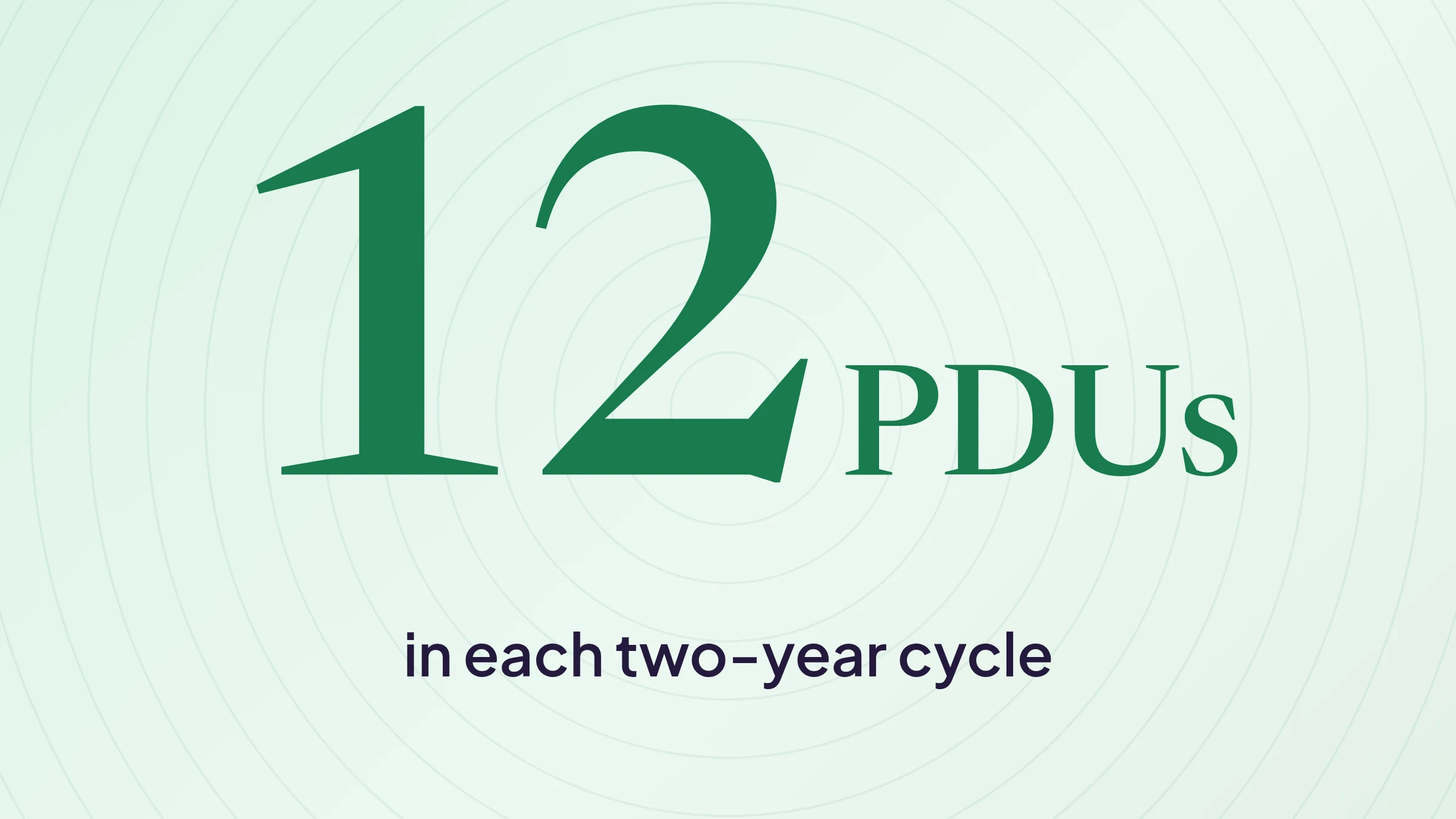
Maintenance is a two-year recertification cycle with 12 professional development units, which replaced the annual competency assessment older guidance describes.
Planning your first year#
The certification sequence is the visible part and it ends. The monthly obligation is the invisible part and it does not.
The RBTs who have the easiest time are the ones who set up supervision documentation in month one rather than month nine, because a contemporaneous record is straightforward and a reconstructed one is not. That is what supervision tracking is for, and it is free.
If you are considering BCBA or BCaBA certification later, it is also worth knowing early that the same worked hour can count toward both RBT supervision and fieldwork experience, provided you record it in both places. Deciding that in year one is much easier than reconstructing it in year three.